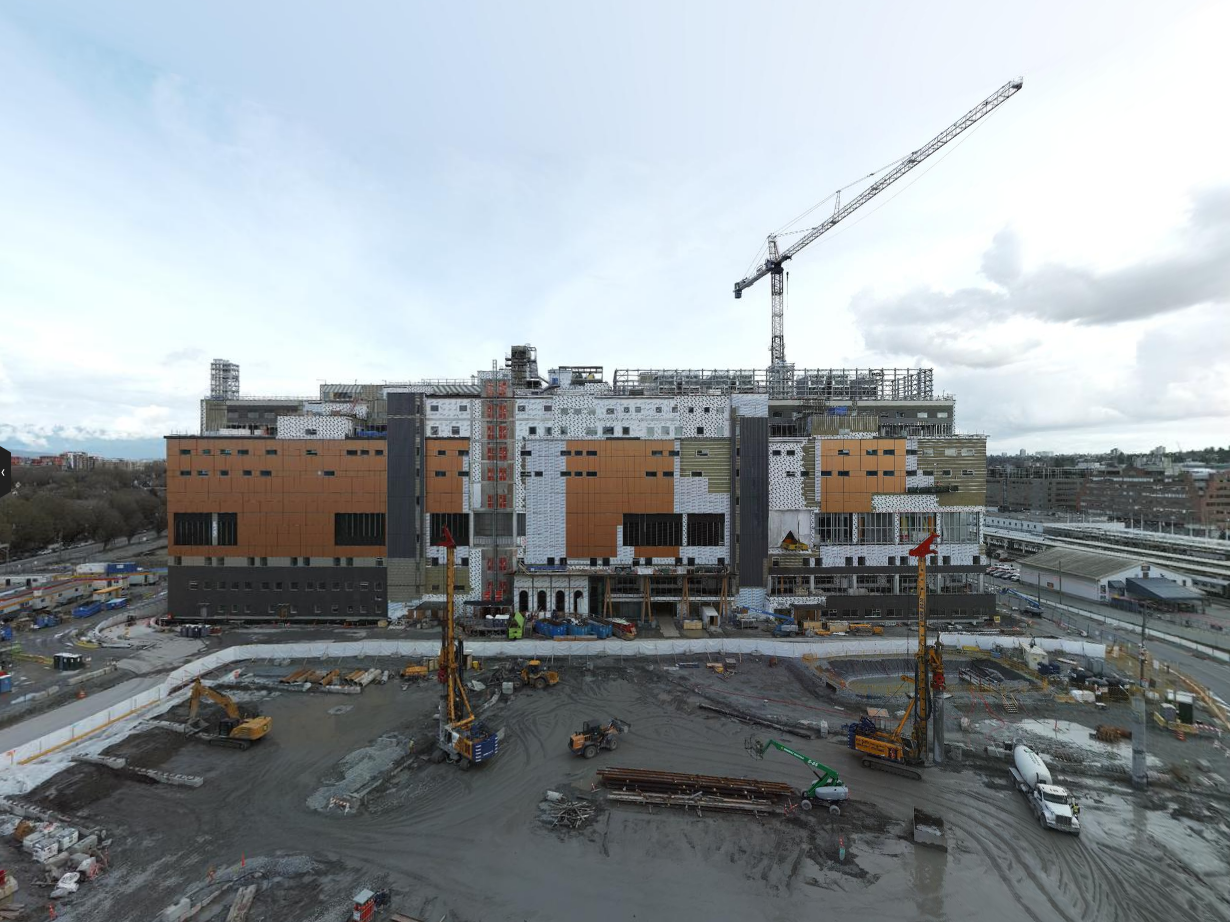
The New St. Paul’s Hospital site is an exciting example of a major infrastructure project incorporating significant social procurement into its construction and operations. Image credit: Buy Social Canada
Vancouver is the first major city in Canada to institute a mandatory community benefit agreement (CBA) policy, after years of advocacy from community stakeholders including Buy Social Canada. The policy, which applies to developments over 45,000 square metres in size, requires that developers demonstrate their best effort to reach three targets: 10% local employment, especially of members of equity-seeking groups (inclusive employment); 10% local procurement (from within Vancouver); and 10% social procurement (from verified social impact or equity-seeking owned businesses). Projects must continue to practice social procurement and inclusive employment throughout their operations. With the CBA policy in place creating demand for local and social purchasing, Buy Social Canada is now supporting the next step: equipping local and social businesses with the tools to respond and deliver. Recognizing that developing this capacity is a process, the 10% targets across the three areas are intended to be realistic but aspirational.
The New St. Paul’s Hospital redevelopment, owned by Providence Health Care, is the first project to trigger the City of Vancouver’s CBA policy. Located in the False Creek Flats neighbourhood, the hospital is scheduled to open in 2027. Buy Social Canada is the CBA’s independent third-party monitor, overseeing compliance and supporting its success. Since construction started in 2023, the New St. Paul’s Hospital redevelopment has generated nearly $100 million in social procurement spending and $200 million in local procurement spending. While the project generally met or exceeded the 10% targets in 2023 and 2024, the need for more specialized construction caused this number to dip in 2025. Moving from basic construction to more advanced and hospital-specific finishings meant there were fewer opportunities to source the right equipment, materials, and expertise locally and from social enterprises.
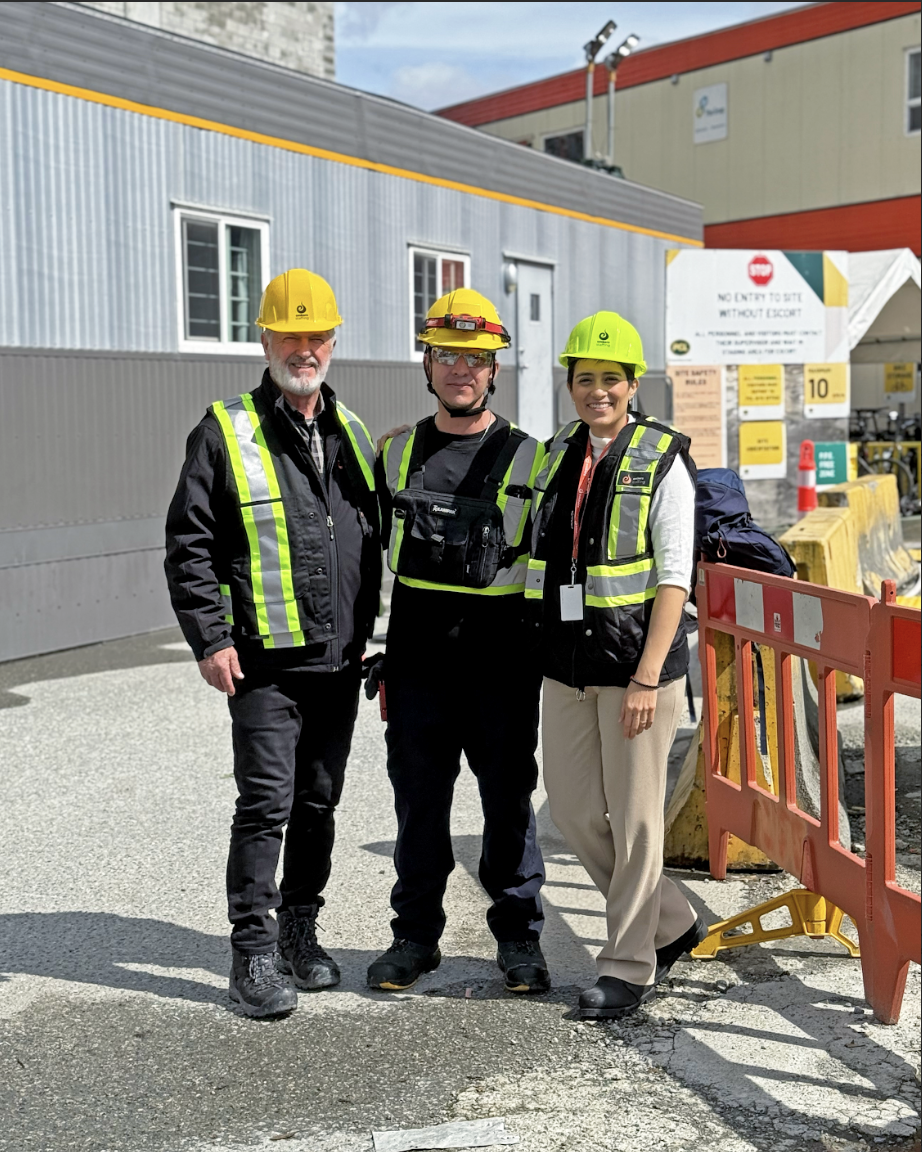
Buy Social Canada links social enterprises like EMBERS Staffing Solutions with construction subcontractors to create employment opportunities for community members. Image credit: Buy Social Canada
Beyond the dollars flowing into the local and social economies, Buy Social Canada is using this first major project to develop networks, demand, and, eventually, capacity in the social enterprise community. It works with contractors on the purchasing side, training them in compliance reporting and suggesting ways to fulfill the CBA requirements. It also hosts quarterly meetings and roundtables to connect purchasers with suppliers, identify project needs, and link employers with workforce development organizations. Outside of the project, Buy Social Canada works to certify, and to build capacity in, social enterprises that may then become suppliers for future CBA projects.
The New St. Paul’s Hospital Redevelopment project has sparked a number of success stories through its CBA commitment. EMBERS Staffing Solutions, CleanStart Property Services (profiled in this chapter), and the Binners’ Project – all social enterprises (certified by Buy Social Canada) that employ individuals facing barriers to employment – won multiple contracts on the project after delivering high-quality work on initial engagements. Through these partnerships, over 200 people accessed on-the-job training, and many found longer-term jobs with subcontractors on the project. Providence Health Care’s partnership with Binners’ Project has also resulted in New St. Paul’s Hospital becoming Canada’s first zero-waste medical facility, with conversations ongoing to continue this partnership in operations.
Buy Social Canada is striving to make the New St. Paul’s Hospital redevelopment, and by extension the Vancouver CBA policy, a clear and transparent model for other projects and cities to follow. Following its iterative and aspirational approach to advocacy and policy development, places across Canada can build on this momentum to create local social returns on development investment.