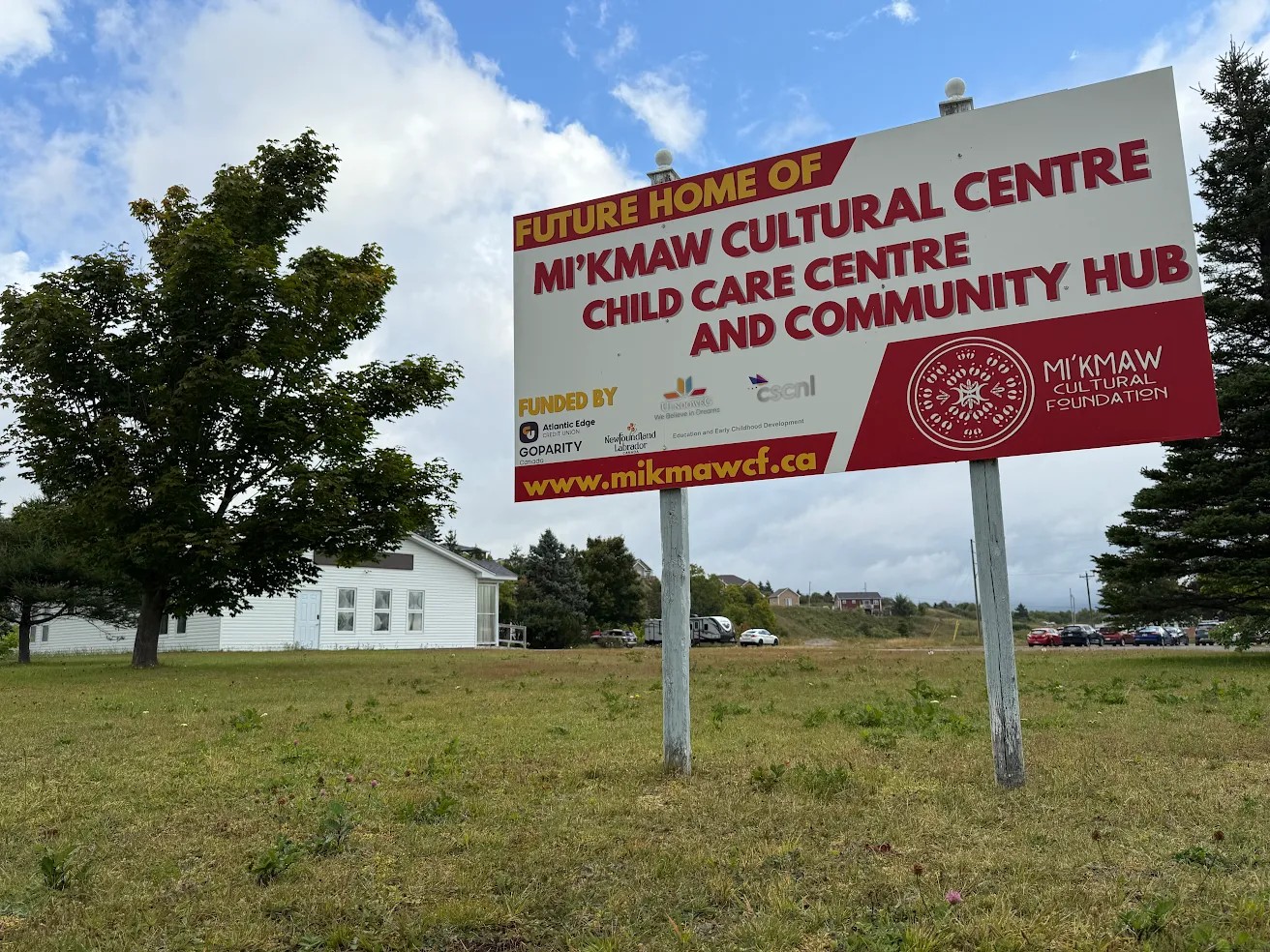
The CSCNL’s Social Enterprise Through Acquisition program provided expertise that helped the Mi’kmaw Cultural Foundation in Stephenville, N.L., acquire a building to house its social enterprise. Image credit: CSCNL
The approaching “tsunami” of potential small business exits – as founders approach retirement without a succession plan – presents an urgent challenge for rural communities. Many small businesses are deeply embedded in local economies, and their loss could undermine employment, access to essential goods and services, and community cohesion. At the same time, community organizations (including non-profits, charities, co-ops, and social enterprises) are being asked to do more with fewer resources.
The Community Sector Council of Newfoundland and Labrador (CSCNL), a registered charity dedicated to the support of community entities in the province, has developed an innovative response. In 2023, CSCNL launched the Social Innovation Lab and its flagship pilot, the Social Enterprise Through Acquisition (SETA) program, to preserve small businesses while diversifying revenue streams for community organizations. SETA connects community organizations with rural businesses available for acquisition to ensure that these businesses continue to serve their communities. Potential buyer organizations in rural Newfoundland and Labrador can access up to $15,000 to cover transition-related costs. They also receive one-on-one support throughout the process. The program supports a variety of acquisition models, including full business purchases, worker co-operatives, and transfers of specific assets, such as equipment or facilities.
The SETA program helps business owners by playing a confidential matchmaking role, identifying buyers who share similar values through outreach and partners such as Community Business Development Corporations, and creating profiles for prospective buyers. To ease organizational strain on community-organization buyers, CSCNL also aims to connect them with wage subsidies, student placements, and newcomer employment programs – or, in some cases, to facilitate acquisitions that include existing employees. For community organizations that are not ready yet to venture into acquisition, CSCNL offers revenue diversification training (the Thriving Non-Profits program) in partnership with Scale Collaborative and the Community Foundation of Newfoundland and Labrador.
Since its launch, the program has supported three new social enterprises with several others in progress. In Port Rexton, the Two Whales Coffee Shop was converted into a worker co-op that preserved the business and its place as a community hub for locals and tourists. In central Newfoundland, a non-profit organization acquired a taxi service to integrate affordable transportation into its programming and address the lack of accessible transportation options in the region. In Stephenville, the Mi’kmaw Cultural Foundation has acquired a building that will become a child-care social enterprise and community hub.
Newfoundland and Labrador has a strong culture of community, which helps enable this work. At the same time, challenges persist. Business owners may hesitate to disclose succession plans, transactions can take months to finalize, and community organizations often face limited capacity to take on new enterprises. Financing is another barrier, as grants can be restrictive while traditional loans are rarely well suited to the needs, governance, and structures of community organizations. Some of the resources necessary to complete an acquisition are dependent on external providers – potentially delaying the process.
CSCNL addresses these issues by leveraging a growing network of partners – from legal and financial professionals to social finance providers like GoParity and Fairlead – to guide acquisitions and assemble capital. One-on-one communication helps build trust with sellers, while relationships with government reduce bureaucratic delays.
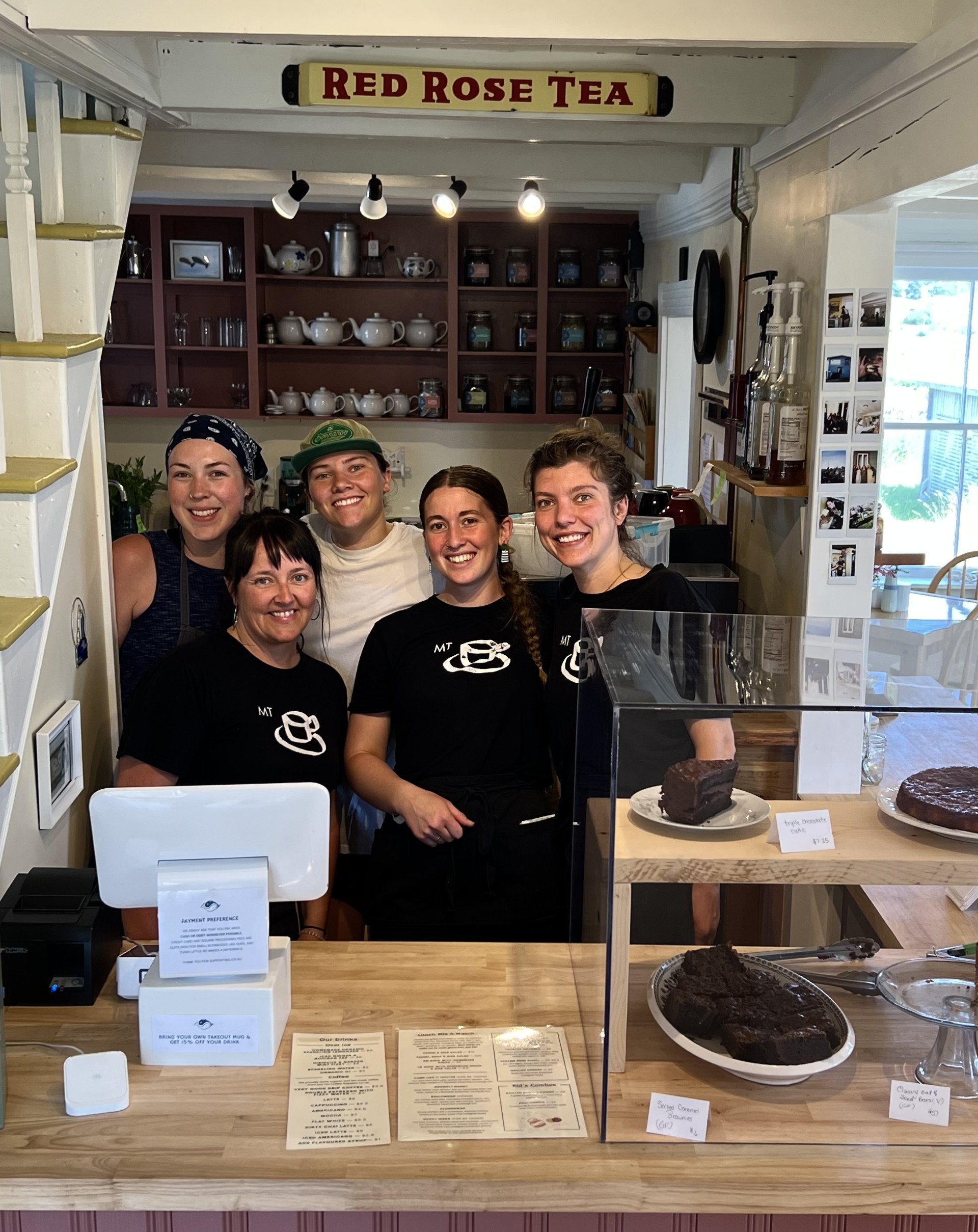
Co-op members who acquired the Two Whales Coffee Shop in Port Rexton, N.L., preserving its legacy as a vibrant community gathering place. Image credit: CSCNL
By de-risking acquisitions, fostering cross-sector partnerships, and tailoring solutions to local contexts, CSCNL demonstrates how social enterprise models can preserve critical services while building long-term resilience. Succession planning, often treated as a private matter, can instead be a powerful tool for community development, economic stability, and social innovation.