.png)
CityShapers in Schools classroom workshops teach students about governance, civic engagement, and city planning processes in their communities. Image credit: CityHive
There are few opportunities for young people to learn the skills they need to practice positive civic engagement. Many school districts have shifted to a generalist curriculum that aims to provide a well-rounded education but does not give students local context or include a locally rooted civic education. Since 2016, the Vancouver-based non-profit CityHive has been working to address these gaps by running civic educational programming across the province. The CityHive CityShapers in Schools program is a four-session classroom-based workshop series for grades 5–12 that challenges students to think more deeply about climate action, housing affordability, and public space design. By connecting students to governance, civic engagement, and city planning processes within their schools and neighbourhoods, it uses local issues to nurture their curiosity and give them the tools to make their voices heard in civic processes.
The program is offered for free or on a sliding pay scale to public schools throughout the Metro Vancouver region, giving priority to communities that have historically been under-represented in municipal politics and experience greater barriers to civic participation. The workshops are designed in consultation with certified teachers and co-led by a CityHive educator and a youth leader (aged 18–30). The CityShapers team works to ensure the program curriculum is robust and inclusive, collaborating with Indigenous elders and knowledge keepers, architects, urban planners, and researchers from local universities to ensure the program is rich and engaging. Accessibility is at the core of the approach, with a modular curriculum designed from the perspective of students. The program incorporates different learning styles through activities such as games, urban design mapping, and democratic process simulations. It is tailored to each unique classroom, and regularly revised and improved based on student feedback.
Local government staff and elected officials are a key component of the program’s success, and CityHive works with municipalities on a fee-for-service basis to provide student input directly into open engagement projects. Over 300 students have met with municipal staff and elected officials to learn about and engage with such planning projects as the Squamish Nation Climate Action Strategy, the North Vancouver Active Transportation Plan, and the Clayton Corridor Skytrain Expansion Plan. Many students continue to follow projects after the classroom component ends, as the experience has helped to build a sense of agency and connection to issues that affect their communities.
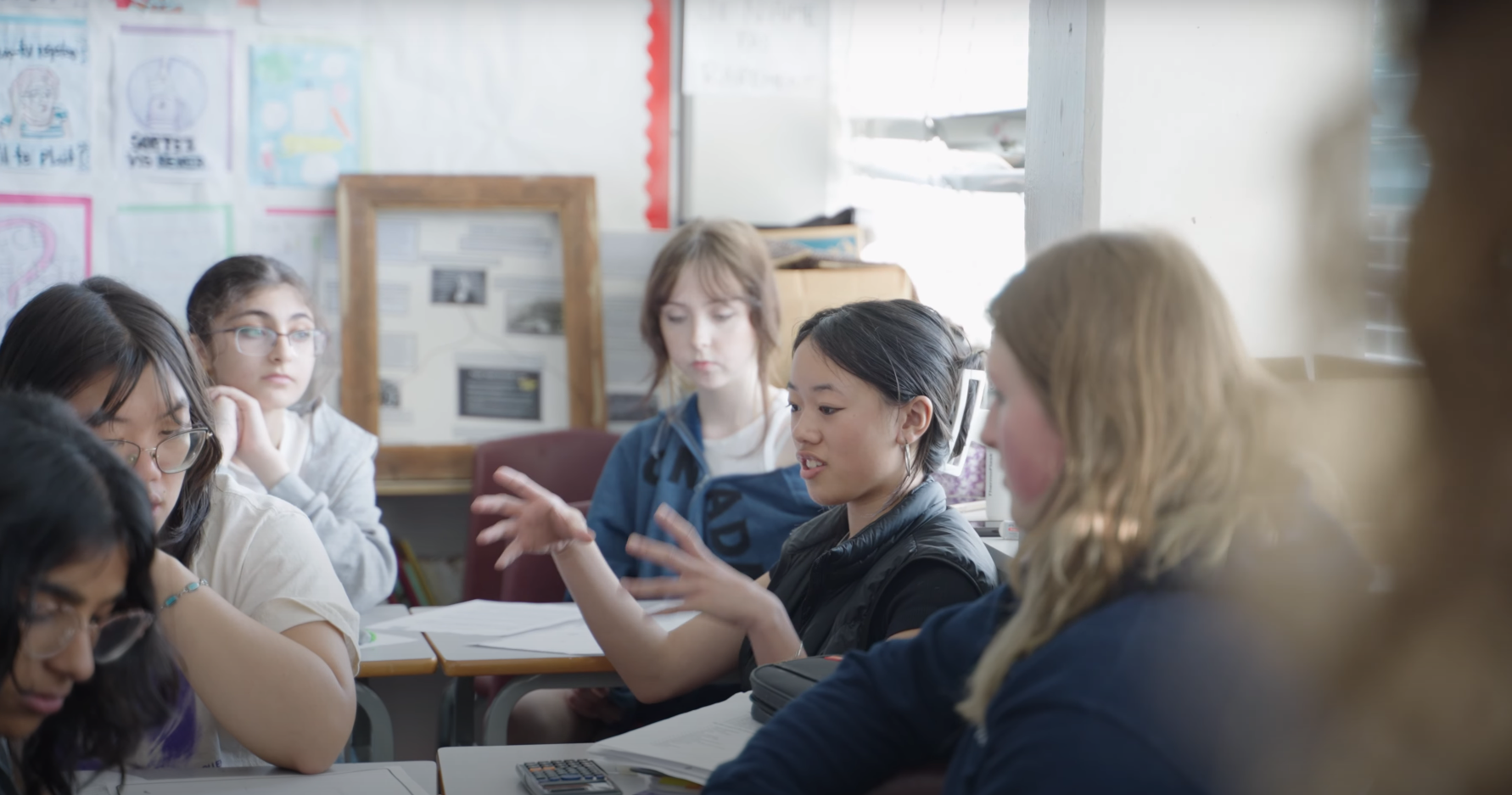
Students discuss local issues in a CityShapers classroom program. Image credit: CityHive
CityShapers has grown from 1,025 participants in the 2022/23 school year to 1,450 (across five school districts) in 2024/25. It now has a waiting list. Participating students describe how the program has contributed to a new sense of understanding about sustainability, city policy, and civic affairs, and made them feel more confident and competent in providing feedback to municipal leaders – and each other. The CityShapers program addresses the need for local context in teaching about civic affairs and the importance of young people contributing to their cities and communities as engaged and thoughtful residents. Individual projects and electoral cycles are short, but educating students in sustainability, inclusion, and justice will have long-lasting effects.